IT SEEMS BITTER FRUITS HAVE GREAT NUTRITIONAL BENEFITS
SUCH AS COCOA, BITTER GOURD AND NONI FRUIT
THE SUPER BENEFITS OF COCOA
THE HEALTH BENEFITS IN CHOCOLATES
ZESTY CHOCOLATE SAUCE FOR DIPS RECIPE
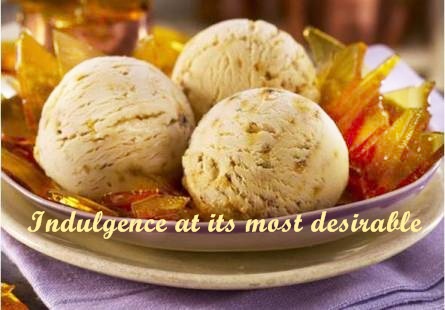
CHOCOLATE ICE CREAM FLOAT RECIPE
"Our findings indicate that milk may interfere with the absorption of antioxidants from chocolate ... milk may negate the potential health benefits from eating dark chocolate."
Translation: Say "Dark, please," when ordering at the chocolate
counter. Don't even think of washing it down with milk.
And if health is your excuse for eating chocolate, remember the word "moderate" as you nibble…Italy's National Institute for Food and Nutrition. www.everyone-loves-chocolate.com
To realize it's health benefits. Studies show that one ounce a day of chocolate is plenty, but ensure your chocolate has at least 70 percent cocoa.
Also for example, part of the "GHIRALDELLI" product range, they have:
BITTERSWEET CHOCOLATE CHIPS with 60% CACAO, delivering an intensely rich yet balanced chocolate sensation.
BITTERSWEET CHOCOLATE (35-99% Cacao Content)
UNSWEETENED CHOCOLATE (100% Cacao Content) also called chocolate liquor, made from finely ground roasted cocoa nibs.
Research shows that chocolate contains a hormone known as phenylethylamine, which creates a happy aura. It is the same as the good feeling hormone triggered by the brain when we fall in love.
Cocoa bean (cacao) is the dried seed, from which cocoa solids and cocoa butter are extracted.. To make 1 kg (2.2 pounds) of chocolate, about 300 to 600 beans are processed, depending on the desired cocoa content.
Cocoa and dark chocolate contain a high level of flavonoids, specifically epicatechin, which with prolonged intake, may have beneficial cardiovascular effects on health
This refers to raw cocoa. The amount is less in dark chocolate, since these flavonoids degrade during cooking and alkalizing processes
Cocoa possesses a significant antioxidant action, protecting against LDL oxidation,
perhaps more when compared to other polyphenol antioxidant-rich foods and beverages.
A cocoa plant in my neighbor's garden.
Cocoa increase blood flow to the brain and reduces the risk of these diseases.” Several studies have shown that a decrease in blood flow to the brain is tied to both dementia, including Alzheimer’s disease and stroke.”
NEWS FROM HAVARD… NOT JUST ANY UNIVERSITY..
1-Hollenberg, a professor of radiology at Harvard Medical School studied the effects of cocoa and flavanols on the Kuna Indian population of Panama.
Research showed that the Kuna Indians cocoa drinkers, living on the islands had significantly lower rates of heart disease and cancer, as compared to those living on the mainland who do not drink cocoa.
The island people drink more than five cups of cocoa a day. So it was not due to their genes.
His experiments dealt with natural cocoa, not those processed varieties. The natural cocoa beans are full of ingredients called flavanols, antioxidant compounds. http://news.harvard.edu
Strokes and so-called vascular dementia involve restricted flow of blood to the brain, so Hollenberg and others naturally regard flavanol-rich cocoa as a possible treatment for those ills. Stroke is one of the world’s major killers, and dementias, including Alzheimer’s disease, afflict 10 percent of people over the age of 65.
One study, more than 1,300 elderly people in France, found that flavanoids, a larger category that includes flavanols, decreased the risk of dementia.
2- A 15-year study of elderly men published in the Archives of Internal Medicine in 2006 found a 50 percent reduction in cardiovascular mortality and a 47 percent reduction in all-cause mortality for men who regularly consume the most cocoa, compared to those who did not.
Chocolate and cocoa contain a high level of xanthines, specifically theobromine and to a much lesser extent caffeine,
3-Muscle recovery
A study from James Madison University, USA, showed that post-exercise consumption of low fat chocolate milk provides equal or possibly superior muscle recovery, compared to a high-carbohydrate recovery drink with the same amount of calories. Athletes drinking chocolate milk had significantly lower levels of muscle damage.
MODERN MEDICINE- wiki
In modern medicine, theobromine is used as a vascular (a blood vessel widener), a diuretic (urination aid), and heart stimulant
Theobromine increases urine production. Because of this diuretic effect, and its ability to dilate blood vessels, theobromine has been used to treat high blood pressure
------------------------------------------------------------------------
Theobromine (theobromide), also known as xantheose, is a bitter alkaloid of the cocoa plant
The bitter theobromine in chocolate varies from 2% to 10% , usually having higher concentrations in "dark" chocolate. A small amount can be found in tea plant.
Research suggests that theobormine may even act as a cough suppressant, although the level tested was much higher than what is found in dark chocolates.
Cocoa is the number one plant species with the largest amounts of theobromine.
THEOBROMINE concentrations in cocoa and carob products are
ITEM THEOBROMINE CONTENT (mg/g)
Cocoa 20.30
Cocoa beverages 2.66
Chocolate bakery products 1.47
Cocoa cereals 0.69
Chocolate ice creams 0.62
Chocolate milk 0.23
1-Cocoa reduce blood pressure, but drinking Tea may not.
-ScienceDaily (Apr. 9, 2007) — Foods rich in cocoa appears to reduce blood pressure but drinking tea may not, according to an analysis of published research issue of Archives of Internal Medicine.
Tea and cocoa are both rich in polyphenols, but of different types.
Most of Black and green tea polyphenol is known as flavan-3-ols.
Most of Cocoa polyphenol is known as procyanids.
The cocoa phenols are more active in preventing cardiovascular disease, as compared to the tea phenols.
2- Eat 30 calories a day lowers blood pressure without weight gain.
-ScienceDaily (July 3, 2007) — Eating about 30 calories a day of dark chocolate was associated with a lowering of blood pressure, without weight gain or other adverse effects, according to a study in the July 4 issue of JAMA.
3-Brisk walk could help Chocoholics stop snacking
ScienceDaily (Nov. 11, 2008) — Researchers at the University of Exeter have found that a fifteen minutes walk, can reduce chocolate cravings.
Professor Adrian Taylor comments: "Our ongoing work consistently shows that brief physical activity reduce cigarette cravings, but this is the first study to link exercise to reduced chocolate cravings.
Neuroscientists suggested the common processes in the reward centres of the brain between drug and food addictions
and exercise may effect brain chemicals to regulate mood and cravings.
This is good news for people who struggle to manage their cravings for sugary snacks and want to lose weight."
“This research furthers our understanding of the complex physical, psychological and emotional relationship we have with food."
4-Dark chocolate is more filling than Milk chocolate and lessens Cravings
ScienceDaily (Dec. 10, 2008) — New research at the Faculty of Life Sciences (LIFE) at the University of Copenhagen – shows that dark chocolate is far more filling than milk chocolate, lowers our craving for sweet, salty and fatty foods. In other words eating dark chocolate may be an efficient way to keep your weight down.
5-New evidence that Dark chocolate helps ease Emotional stress
ScienceDaily (Nov. 11, 2009) — The "chocolate cure" for emotional stress, supported from a clinical trial published online in ACS'Journal of 4Proteome Research. It found that eating about an ounce and a half of dark chocolate a day for two weeks reduced levels of stress hormones in the bodies of people feeling highly stressed. Also partially corrected other stress-related biochemical imbalances
6-Why Chocolate protects against Heart disease
ScienceDaily (Nov. 10, 2010) — Cocoa has a protective effect against cardiovascular diseases. This has been uncovered by researchers at Linköping University in Sweden. When a group of volunteers devoured a good-sized piece of dark chocolate, it inhibited (prevent) an enzyme in their bodies that is known to raise blood pressure.
In the study, scientists identified stress hormones were reduced and other stress-related biochemical changes in highly stressed volunteers who ate dark chocolate for two weeks.
"The study provides strong evidence that a daily consumption of 40 grams [1.4 ounces] dark chocolate, during a period of 2 weeks is sufficient to modify the metabolism of healthy human volunteers," the scientists said.
ZESTY CHOCOLATE SAUCE FOR DIPS RECIPE
Ingredients:
1 cup cocoa powder
1 1/2 cups sugar
1 1/2 cups water1 tbsp lemon zest
½ teaspoon vanilla essence
A pinch of salt
Method:
Mix and stir all ingredients.
Boil for 5 minutes or more, stirring rapidly, until sauce begins to thicken.
Put off fire, remove from oven and let cool. Refrigerate.
CHOCOLATE ICE CREAM FLOAT
Place 2 scoops chocolate ice cream in a large serving glass.
Add Coke Cola or Ginger Beer
Top with a little whipped cream and 2 fruits cherry, strawberry.
Put one round marble size dark chocolate on top
The World Health Organisation predicts that by 2030, nearly 23.6 million people will die from heart disease. Lifestyle and diet are key prevention factors.
Chocolate has antioxidant and anti-inflammatory properties. Studies showed that eating chocolate reduces blood pressure and improve insulin sensitivity and lower risk of cardiovascular events.
They found that the "highest levels of chocolate consumption were associated with a 37% reduction in cardiovascular disease and
a 29% reduction in stroke compared with lowest levels."
No significant reduction was found in relation to heart failure.
Commercialized chocolate is very calorific (around 500 calories for every 100 grams) and eating too much can lead to weight gain, risk of diabetes and heart disease.
Due to the health benefits of eating chocolate, one must find ways to reduce the current fat and sugar content in most chocolate products.
Story Source:
Disclaimer from Science Daily: This article is not intended to provide medical advice, diagnosis or treatment. Views expressed here do not necessarily reflect those of ScienceDaily or its staff. http://www.sciencedaily.com/


+-+CHOC.png)
+-+CHOC.png)